Interview Prep
US Visa Interview: Common Questions and How to Answer
A guide to US visa interviews, understanding the interview, questions about your purpose of travel, finances and ties, how to prepare and present yourself
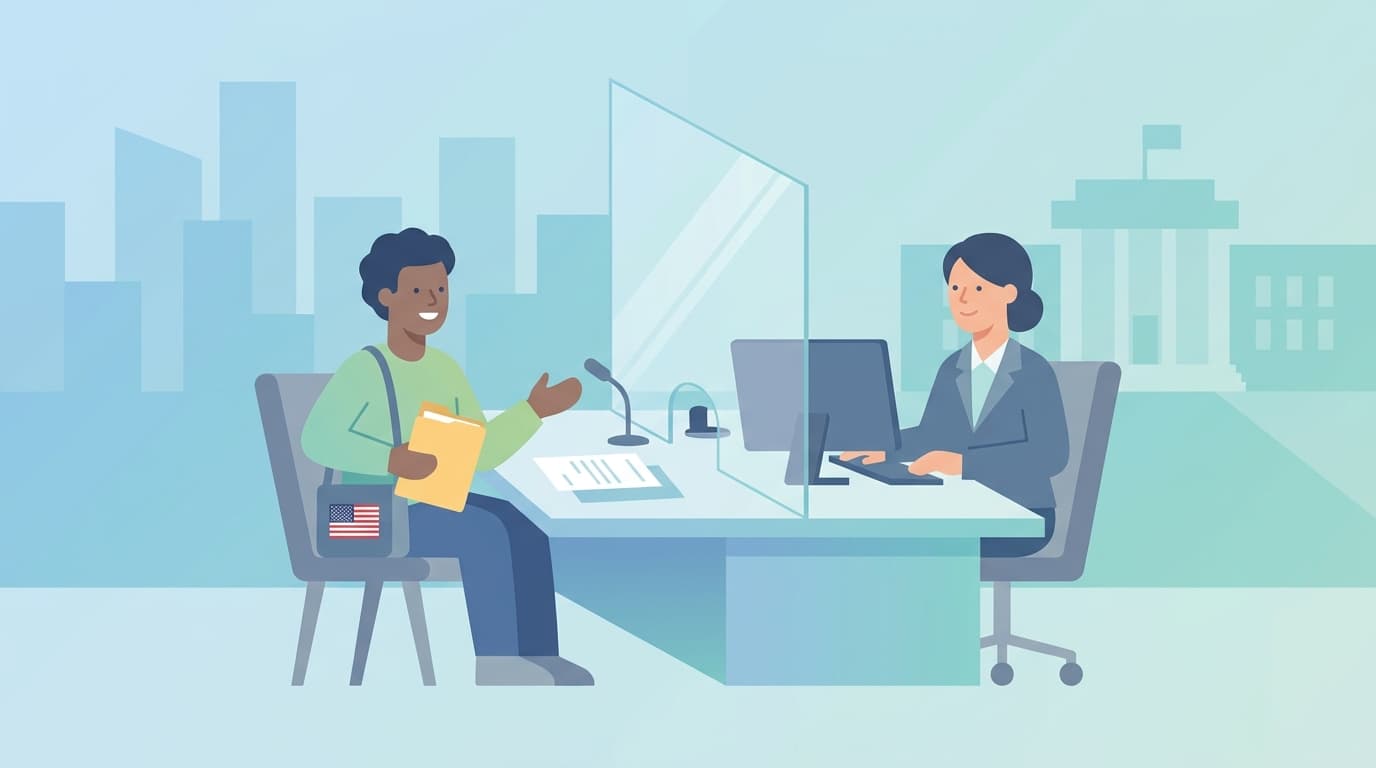
Understanding the US visa interview
For most people applying for a US visa, the interview at a US embassy or consulate is a pivotal moment in the process. Whether you are seeking a visitor visa, a student visa, a work visa or an immigrant visa, the consular officer’s job is to determine whether you qualify under US law and whether your intentions are genuine. Interviews are usually short, often just a few minutes, which means first impressions and clear, confident answers matter a great deal. The officer will review your application and supporting documents, ask you questions, and make a decision based on your eligibility and credibility. For many non-immigrant visas, a central issue is demonstrating that you intend to comply with the terms of your visa, including, where relevant, returning home after a temporary stay. Understanding the purpose of the interview, to verify your application and assess whether you meet the legal requirements, helps you prepare focused, honest answers and approach the appointment with appropriate seriousness and calm.
Questions about your purpose of travel
A core part of any US visa interview is establishing why you want to travel to the United States. For a visitor visa, expect questions about the purpose of your trip, how long you plan to stay, where you will go and who, if anyone, you are visiting. For a student visa, officers commonly ask why you chose your school and program, how it fits your goals, why you want to study in the US, and how you will pay for your education. For a work visa, you may be asked about your employer, your role, your qualifications and the nature of the job. Across all categories, the officer wants a clear, specific and credible explanation of your purpose. Vague or inconsistent answers raise doubts, while concise, concrete responses that align with your application and documents build confidence. Being able to articulate your purpose naturally, in your own words, is one of the most important things you can prepare.
Questions about finances and ties
Consular officers frequently ask about how you will fund your trip or studies and about your ties to your home country. Financial questions explore whether you can afford your visit, tuition or living costs, and who is sponsoring or paying; being ready to explain your funding clearly and provide supporting documents is important. For non-immigrant visas, questions about ties to your home country are especially significant, because officers often need to be satisfied that you intend to return after a temporary stay. You may be asked about your job, your family, your property, your studies or other commitments that anchor you to your home country. Honest, specific answers backed by evidence reassure the officer. You might also be asked about previous travel, prior visa applications or any refusals, and your immigration history. Consistency and truthfulness throughout are essential, because contradictions or attempts to conceal information can quickly lead to a refusal.
How to prepare and present yourself
Because US visa interviews are often brief, preparation and presentation carry significant weight. Review your application and know its details so your answers are consistent with what you submitted. Be ready to explain, clearly and concisely, your purpose of travel, your finances and your ties to home. Practise answering likely questions in your own words rather than memorising scripts, which can sound rehearsed and unravel under follow-up. Organise your documents, such as financial proof, admission or job letters and identification, so you can present them if asked, though officers may not always request them. On the day, arrive early, dress neatly and behave courteously. Listen carefully to each question and answer directly and honestly without rambling or volunteering unnecessary details. If you are nervous, take a breath and respond calmly; confidence and clarity make a strong impression. Remember that honesty and consistency matter far more than telling the officer what you think they want to hear.
Common reasons for refusal and how to avoid them
Understanding why US visas are sometimes refused helps you prepare more effectively. A frequent reason for non-immigrant visa refusals relates to the officer not being satisfied that the applicant intends to comply with the temporary nature of the visa, in other words, insufficient demonstration of ties or unclear intentions. Vague, inconsistent or evasive answers can contribute to this. Other issues include incomplete or inconsistent documentation, answers that contradict the application, and, most seriously, any misrepresentation or fraud, which carries severe and lasting consequences. To avoid these pitfalls, present a clear and genuine purpose, explain your finances and ties honestly and specifically, keep your answers consistent with your application, and never provide false information or documents. If you have had a prior refusal, be honest about it and be prepared to explain your situation. Thorough, truthful preparation focused on clearly demonstrating that you meet the requirements is the most effective way to give your application its best chance.
Interview day checklist and mindset
On the day of your US visa interview, a calm and organised approach makes a real difference. Arrive early to allow for security and check-in, and bring your appointment confirmation, passport, application materials and any supporting documents, neatly organised. Dress in a way that is neat and respectful. While waiting, mentally review the key points you want to convey: your purpose, your funding and your ties to home. When it is your turn, greet the officer politely, listen carefully to each question, and answer directly, honestly and concisely, short, clear answers are usually best. Avoid memorised speeches; speak naturally in your own words. If you do not understand a question, politely ask for clarification. Stay composed even if the interview feels fast or the questions are pointed. Above all, be truthful and consistent. With your documents ready, your key points clear in your mind, and an honest, confident manner, you will be well prepared to handle the interview successfully.
Frequently asked questions
How long does a US visa interview usually last?+
US visa interviews are often very short, sometimes just a few minutes. Because of this brevity, clear and confident first impressions and concise, honest answers matter a great deal. The officer reviews your application, asks focused questions, and decides based on your eligibility and credibility.
What questions are asked in a US student visa interview?+
Officers commonly ask why you chose your school and program, how it fits your goals, why you want to study in the US, how you will pay for your education, and your plans. They want a clear, credible explanation consistent with your application, so being able to articulate your purpose naturally is important.
Why are questions about ties to my home country important?+
For non-immigrant visas, officers often need to be satisfied that you intend to return after a temporary stay. Questions about your job, family, property and other commitments help them assess your ties. Honest, specific answers backed by evidence reassure the officer about your intentions.
What are common reasons US visas are refused?+
A frequent reason for non-immigrant refusals is the officer not being satisfied about the applicant’s intention to comply with the temporary nature of the visa, often due to insufficient ties or unclear intentions. Inconsistent documentation, contradictory answers and any misrepresentation are also serious issues. Clear, honest, consistent preparation helps avoid these.
How should I behave during the interview?+
Arrive early, dress neatly and be courteous. Listen carefully and answer each question directly, honestly and concisely without rambling. Speak naturally in your own words rather than reciting memorised scripts, ask for clarification if needed, and stay calm and confident. Honesty and consistency matter far more than guessing what the officer wants to hear.
Related reading
This content is for general informational purposes only and does not constitute legal or immigration advice. Rules change, always verify on the official government site before applying.
Official source: travel.state.gov